Eot Overhead Crane Manufacturer
Eot Overhead Crane Manufacturer
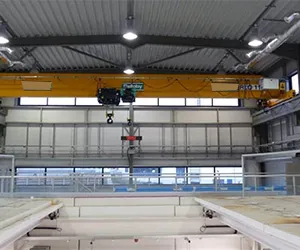
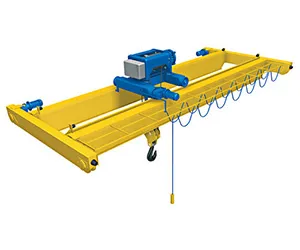
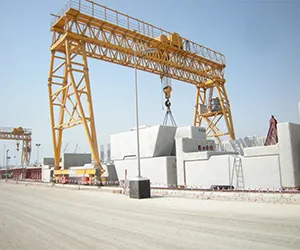
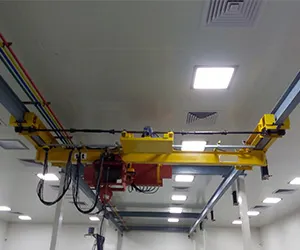
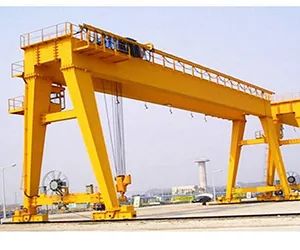
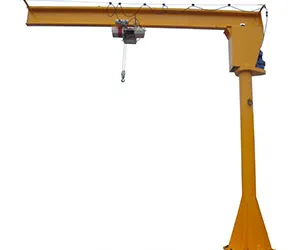
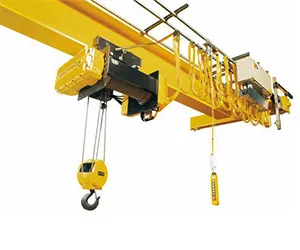
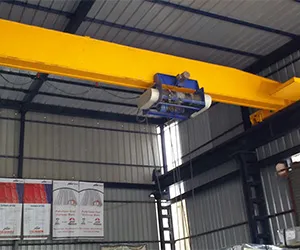
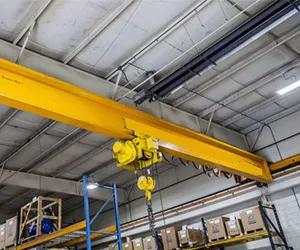
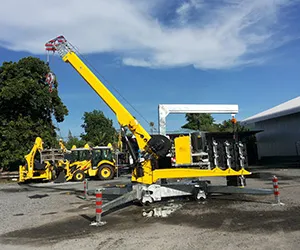
Cranetech manufactures a comprehensive range of industrial cranes, including Single Girder Overhead Cranes, Double Girder Overhead Cranes, EOT (Electric Overhead Travelling) Cranes, HOT (Hand Operated Travelling) Cranes, JIB Cranes, Gantry/Goliath Cranes, Underslung Cranes, and Portable Cranes.
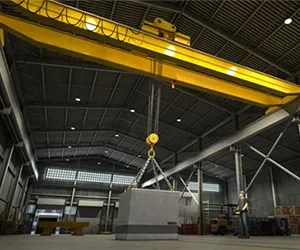
Single girder cranes are best suited for lighter to medium loads (up to 20 Tons) with shorter spans and limited factory headroom, offering a cost-effective lifting solution. Double girder cranes are recommended for heavy-duty lifting (up to 100+ Tons), longer spans, and severe duty cycles requiring higher hook heights.
Overhead cranes are essential across steel processing plants, foundries, power generation stations, automotive assembly plants, heavy equipment manufacturing, paper mills, chemical industries, and logistics warehouses.
An EOT (Electric Overhead Travelling) crane is fully powered by electric motors for lifting, cross-travel, and long-travel motions, ideal for frequent and heavy usage. A HOT (Hand Operated Travelling) crane operates manually via chain pulleys and hand chains, suitable for low-frequency lifting or facilities without continuous electrical power.
Cranetech designs custom cranes with load capacities ranging from 1 Ton up to 100+ Tons, with customized spans up to 35+ meters and lifting heights tailored to your building architecture and workflow requirements.
Our cranes are equipped with fail-safe electromagnetic brakes, overload limiters, upper and lower hoist limit switches, cross and long travel limiters, emergency stop systems, anti-collision devices, and warning alarm sirens.
Regular maintenance includes periodic lubrication of wire ropes, open gears, and bearings, inspecting brake shoe wear, testing safety limit switches and emergency stops, checking runway rail alignments, and scheduling certified annual load testing.


EOT Overhead Cranes Manufacturer || HOT Overhead Cranes
Owned & Powered by : #1 Vinayak InfoSoft - SEO Company Ahmedabad Disclaimer Sitemap